
Loading...
Serving Lorain, OH and surrounding areas. (440) 444-3515
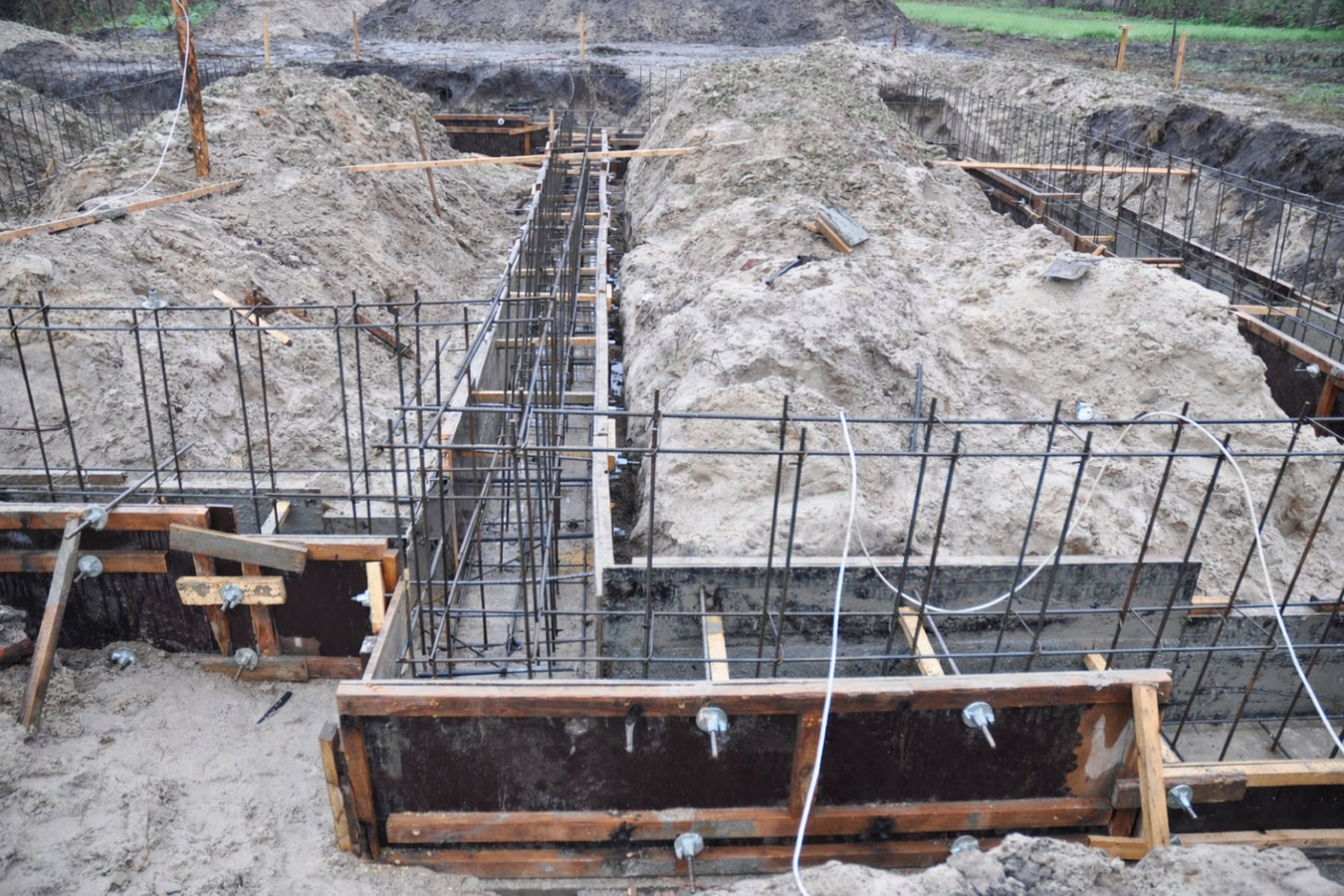
Building a deck, garage, or addition? In Lorain, footings dug above the frost line will shift. We pour concrete footings in Lorain dug below the 36-inch frost line so your structure stays level through every freeze-thaw cycle.
Concrete footings in Lorain are the hidden bases beneath a deck, addition, porch, or garage that transfer the structure's weight down into stable ground - most residential footing projects take one to two days for the actual pour, with permit approval from the City of Lorain adding a few days to a week before digging can begin.
A footing is the flat base of a structure. Without it, even a well-built deck or garage can sink, tilt, or crack over time. In Lorain, the stakes are higher than in warmer parts of the country because the frost line in this region reaches approximately 36 inches below the surface. A footing that sits above that depth will be pushed up and down by the freezing and thawing of the soil each winter. Over a few years, that movement cracks whatever sits on top. If you are planning a new foundation for an entire home rather than just a single structure, our foundation installation service covers that scope.
Lorain also has a lot of older homes - many built before 1960 - where original footings may not have been dug to today's depth standards. If you are adding on to one of those homes, or if existing structures have started to shift, that is a sign the footings need attention before anything else is built on them.
If you notice a gap opening up between your deck and your home's exterior, or if the deck surface no longer feels level when you walk on it, the footings underneath may have shifted. In Lorain, this often happens after a particularly harsh winter, when repeated freezing and thawing pushes shallow footings out of position. This is not a cosmetic issue - a leaning deck can become a safety hazard quickly.
When a footing settles unevenly, the structure above it shifts - and one of the first places you notice this is in door frames and window frames that are no longer square. If a door that used to close easily now drags or sticks at the top, and the problem appeared gradually over a winter or two, settling footings are a likely cause. This is especially common in Lorain's older homes where original footings may not have been dug to today's depth standards.
Diagonal cracks, especially ones that are wider at one end than the other, often signal that one part of a structure has settled more than another. This kind of uneven settling usually points to a footing problem rather than a surface crack. If you see this pattern on a garage floor, a porch slab, or near an addition, it is worth having a concrete contractor take a look before the crack grows.
Any new structure that adds weight to the ground needs proper footings before construction begins. If you are in the planning stage for a deck, garage, porch, or room addition, getting a footing assessment and permit in place early - ideally before the busy spring season - will keep your project on schedule and avoid delays once the ground thaws.
Soft or noticeably wet spots in your yard near an existing structure are also worth paying attention to in Lorain. Clay soils hold water, and areas that stay soggy after rain can indicate poor drainage that is slowly undermining footings nearby. Catching this early is far less expensive than dealing with a settled or cracked structure later.
We install concrete footings for residential decks, garages, porches, room additions, and outbuildings across Lorain. Every footing project includes the permit application, on-site ground assessment, excavation to the required frost depth, formwork installation, rebar placement, pour and curing, and a final walkthrough confirming the tops are level and ready for framing. We also work alongside your general contractor or framing crew so the sequence of work runs smoothly. If your project requires raising an existing structure that has already settled, our foundation raising service addresses that directly.
In Lorain, we also assess the soil conditions before committing to a final price, because Lorain's older neighborhoods regularly turn up unexpected material underground - old concrete, buried debris, or utility lines from structures removed decades ago. A contractor who quotes without looking at the site is guessing, and surprises discovered mid-project are how costs get out of hand.
Footings for attached or detached decks and porches - dug below the frost line so they stay level through every Lorain winter.
Foundation footings for attached or detached garages, sized to carry the structural load and dug to the required depth for this region.
Footings supporting structural additions to your home - coordinated with your general contractor or framing crew for a smooth sequence.
Smaller footings for outbuildings, workshops, or prefab structures that need a stable concrete base to prevent seasonal movement.
Lorain sits in northern Ohio along Lake Erie, where winter temperatures regularly drop well below freezing. The frost line in this region reaches approximately 36 inches below the surface, meaning footings must be dug at least that deep to avoid the freeze-thaw movement that destroys shallow foundations. This is deeper than what contractors in southern states deal with, and it adds both labor time and cost to any footing project here. Beyond the frost line, much of Lorain County sits on glacially deposited clay soils that expand when wet and contract when dry. This soil movement is one of the most common reasons footings fail in this region - the ground itself is working against structures that were not built deep enough or on properly compacted base material.
Lorain's proximity to Lake Erie also means the city gets significant lake-effect snow and prolonged cold stretches from late fall through early spring, which limits reliable footing work to roughly April through October. If you are planning a deck, addition, or garage project for summer, booking early matters. We regularly take on footing projects in nearby cities like Elyria and Parma, where soil and frost conditions follow similar patterns.
When you reach out, we ask a few basic questions - what you are building, roughly where on your property, and whether you have had previous work done in that area. We then visit your property to look at the site, check equipment access, and assess the ground conditions. After the visit, you receive a written estimate that breaks down labor, materials, and permit fees - not just a single number.
Before any digging begins, we pull a building permit from the City of Lorain Building Department. This step protects you - it means the work will be inspected before the concrete is poured. The permit process typically adds a few days to a week to the timeline. We handle the application; you confirm it is in place before work starts.
On the day work begins, the crew digs to the required depth - in Lorain, well below the 36-inch frost line. We set up forms to shape the concrete and prepare the base of each hole with compacted material to give the footing a stable surface to sit on. A city inspector verifies the depth and layout before the pour.
After inspection approval, we pour the concrete, level and finish the tops of the footings, and let you know when it is safe to begin the next phase of construction. The concrete needs at least 24 to 48 hours before forms are removed. We keep you updated on the curing timeline and any weather-related adjustments to the schedule.
We typically reply within one business day to schedule an on-site visit. Cost estimates are always based on seeing the site in person - footing projects in Lorain vary too much in depth and ground conditions for a phone number to mean anything. If you have questions about permits, frost depth, or timeline, ask them during the visit, the same approach a qualified concrete pad contractor brings to every estimate.
We reply within one business day. No pressure - just a written estimate based on an actual site visit.
(440) 444-3515The frost line in Lorain County sits at roughly 36 inches below the surface. We excavate below it on every project so the footing stays anchored through winter freeze-thaw cycles. Footings built above the frost line will shift and crack whatever sits on top - it is not a question of if but when.
Much of Lorain sits on glacially deposited clay soils that expand when wet and contract when dry. This movement is one of the most common reasons footings fail in this region. We account for local soil conditions in how we prepare the base and size the footing - not just pour concrete and leave you to deal with the results.
We file the City of Lorain permit and coordinate the required inspection before any concrete is poured. You receive documentation that the work was done to code and inspected by an independent city official. That record protects your home's value and prevents issues if you sell or file an insurance claim later.
Many footing projects in Lorain involve homes built before World War II, where crews regularly encounter old concrete, buried utilities, or debris from structures removed decades ago. We have worked in Lorain's established neighborhoods long enough to expect these situations and handle them without turning them into budget surprises.
A correctly designed and poured concrete footing, installed at the right depth with good materials, can last 50 years or more with no maintenance. The structure above it may need repairs or replacement long before the footing does. The investment you make in getting the footing right is one of the few parts of a home project that you truly do once. For nationally recognized standards in concrete construction, see the American Concrete Institute. For Ohio building code requirements related to frost depth and structural footings, see the Ohio Department of Commerce Building Codes division.
If an existing structure has already settled and needs to be lifted and re-leveled, our foundation raising service addresses that directly.
Learn moreFor full foundation installations on new builds or complete replacements on existing homes, our foundation installation service covers the full scope.
Learn moreSpring books fast in Lorain - locking in your date now means your project starts on time, not in August.