
Loading...
Serving Lorain, OH and surrounding areas. (440) 444-3515
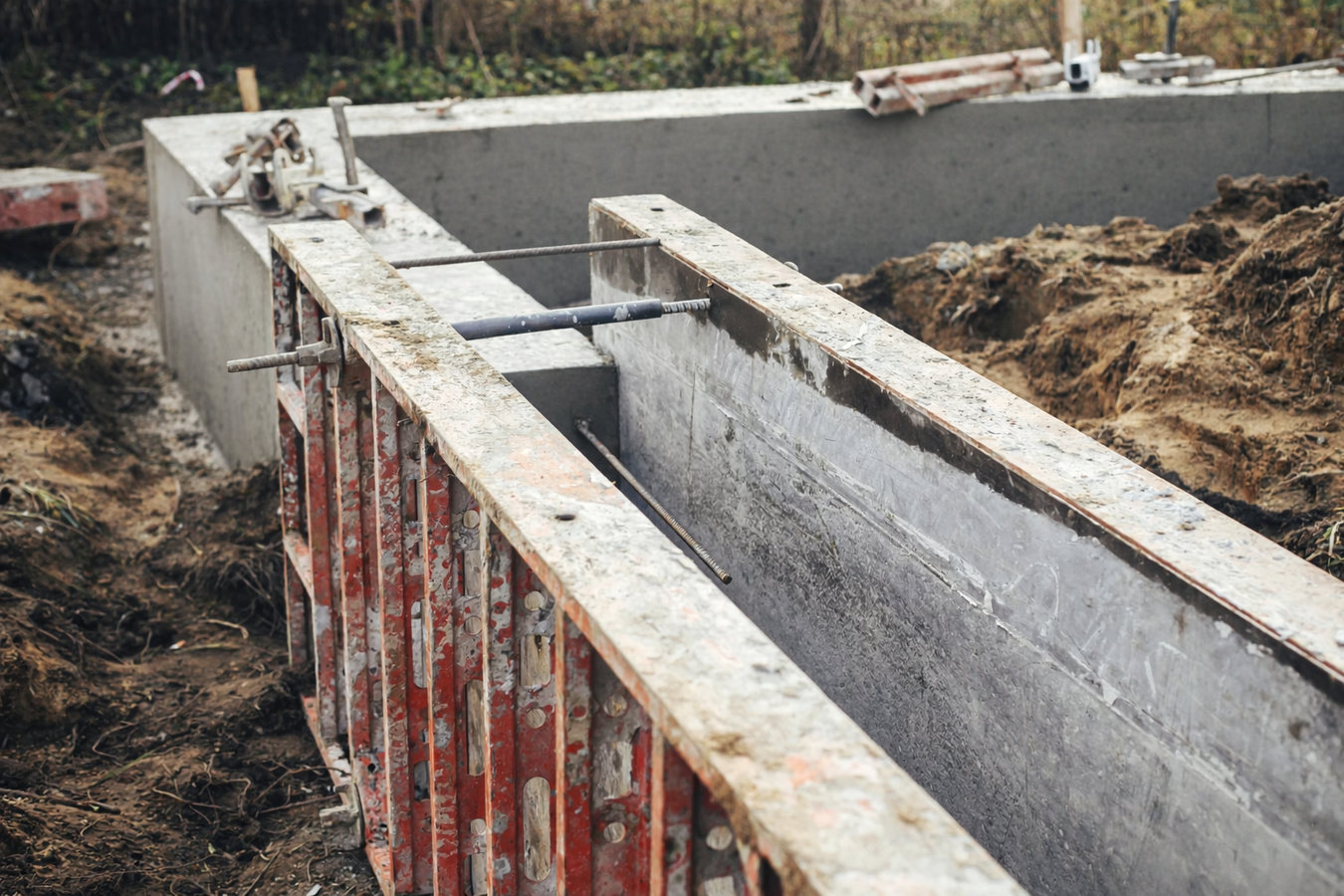
Sunken concrete is stressful to live with. Foundation raising in Lorain lifts your slab back to level in hours, at a fraction of the cost of tearing it out and starting over.
Foundation raising in Lorain lifts a sunken or uneven concrete slab back to its original level position by pumping material beneath it through small drilled holes - most residential jobs are completed in a single day, with foam lifting allowing same-day foot traffic and the traditional slurry method requiring 24 to 48 hours before the area is ready to use.
This is not demolition work. The concrete itself stays in place. The crew drills a series of small holes, pumps a lifting material underneath until the slab rises, patches the holes, and levels off. If your concrete is structurally sound but just sitting lower than it should, raising it is almost always cheaper and faster than replacement. Lorain homeowners deal with this more than most - the freeze-thaw cycle that runs from November through March repeatedly pushes and pulls the soil beneath driveways, basement floors, and garage slabs, slowly creating the voids that cause concrete to drop. When a slab is too far gone to raise and needs a complete pour, our slab foundation building service covers that work.
Lorain has a large share of homes built before 1960, when concrete mixing and soil preparation standards were less rigorous than they are today. Slabs poured decades ago are more likely to have voids beneath them, especially after many Ohio winters. If your home is one of those older properties, the odds are good that at least one slab has moved at least slightly over the years.
When a slab shifts, the door frames and window frames above it shift too. If a door that used to swing freely now drags on the floor or a window that opened easily now sticks, the floor beneath it may have moved. This is one of the earliest and most noticeable signs that something has changed at the foundation level.
Walk along the edges of your basement floor or garage slab and look for a gap between the concrete and the wall. Even a gap the width of a pencil can mean the slab has dropped. In Lorain's older homes, where concrete was often poured against block or brick foundations, this gap tends to appear after a particularly wet winter or a dry summer following heavy spring rains.
If you notice that a marble rolls consistently in one direction across your basement or garage floor, the slab is not level. You might also feel a slight slope when walking in socks. This kind of gradual tilt is common in Lorain homes that have gone through many freeze-thaw cycles, and it tends to get worse over time if left alone.
Diagonal cracks - especially ones that are wider at one end than the other - often mean one section of the slab has dropped while the adjacent section has stayed put. A crack you can fit a coin into, or one that has grown since you first noticed it, deserves a professional look. In Lorain, these cracks often appear in spring after the ground has finished thawing.
Water pooling near your foundation after rain is also a warning sign worth taking seriously in Lorain. The clay-heavy soil in many neighborhoods does not drain quickly, and standing water against a foundation wall is both a sign that settling may already be happening and a cause of future settling if left unaddressed.
We handle foundation raising for the most common problem areas in Lorain residential properties - driveways, basement floors, garage slabs, and front or rear porch surfaces. Each situation is a little different. A driveway that has sunk toward one side after years of freeze-thaw cycles is a different job than a basement floor that has dropped and left a gap along the wall. We assess the specific slab, the cause of the settling, and the soil conditions before recommending an approach. For homeowners who need precision work alongside a lift - such as cutting relief joints or drainage openings - our concrete cutting service can be paired with this work.
The two main lifting methods are mudjacking - pumping a cement-and-soil slurry beneath the slab - and polyurethane foam lifting, which injects an expanding foam that hardens quickly. Foam is lighter and cures faster, which matters on Lorain's clay-heavy soil where adding weight can sometimes contribute to further settling. We explain the tradeoffs of each method during the estimate so you can make an informed decision before any work starts.
For homeowners whose driveway or front walkway has sunk or tilted after years of Lorain winters - restored to level without tearing it out.
For basement slabs that have dropped or tilted, creating sloped floors or gaps along the wall - lifted and patched with minimal interior disruption.
For garage floors that have settled unevenly, creating tripping hazards or drainage problems inside the garage.
For front or rear porch slabs and step landings that have pulled away from the house or sunk toward one side.
Lorain sits on the southern shore of Lake Erie, which means the ground freezes and thaws repeatedly from November through March - sometimes multiple times in a single week. Every freeze-thaw cycle pushes the soil upward and then lets it drop. Over many winters, this movement creates voids beneath concrete slabs, and slabs with nothing to rest on begin to sink. Lorain's clay-heavy soil makes the problem worse, because clay absorbs water and swells, then dries out and contracts. Old neighborhoods near the lake and along the Black River corridor have some of the heaviest clay concentrations in the county, and concrete in those areas tends to move more than concrete further inland. The city's large stock of pre-1960 homes adds another layer of difficulty - original slabs were often poured without the soil preparation standards used today, which means voids can develop faster.
We serve homeowners across the full service area, including Elyria and Lakewood, where the same freeze-thaw and clay soil conditions affect residential concrete in similar ways. Wherever you are in the area, the right repair starts with a proper site assessment - not a phone quote - so the lifting method and drainage recommendations match your actual soil and slab conditions.
When you call or submit a request online, we ask a few basic questions - what you are seeing, where the problem is, and how long it has been going on. We schedule a time to come out and look at the slab in person. You will hear back within one business day to confirm your visit.
We walk the area with you, check for cracks, measure how far the concrete has dropped, and look at the soil and drainage conditions around it. This visit usually takes 30 to 60 minutes. A good contractor will explain exactly what caused the problem, not just hand you a price.
On the day of the job, the crew drills small holes at measured intervals across the sunken area, then pumps the lifting material through those holes until the slab rises back to level. The whole process usually takes two to four hours for a standard residential job. You can walk on the surface the same day with foam lifting.
Once the slab is level, the crew fills and patches the drill holes. We check the result with a level before leaving and walk you through what was done. We also point out any drainage or grading issues you should address to protect the repair long-term.
Pricing is discussed at the estimate visit - not over the phone. Cost depends on slab size, how far the concrete has dropped, and which lifting method is appropriate for your soil conditions. You will receive a written estimate before any work is scheduled.
We come out, assess the slab in person, and give you a straight answer about what it needs - no obligation to book.
(440) 444-3515The ground in Lorain County freezes and thaws dozens of times each winter, creating voids beneath concrete slabs that cause sinking and tilting. We factor in local soil and drainage conditions on every job - not just lift and leave.
Much of Lorain sits on clay-heavy soil that expands when wet and contracts when dry. We assess drainage around the repaired area and give you specific recommendations on what to watch for after the work is done, so the same problem does not return the following spring.
The City of Lorain's Building Department requires permits for structural work - and some slab lifts qualify. We know which jobs trigger that requirement and handle the paperwork on your behalf so you are protected when you sell your home or file an insurance claim.
A large share of Lorain's housing was built before 1960 on soil that was not compacted to today's standards. We have worked on dozens of these older homes and know what to expect - including mature tree roots, clay soil movement, and decades of freeze-thaw wear on original concrete.
The American Concrete Institute publishes standards for concrete repair and tolerance that guide how quality contractors approach lifting work - including what level variance is acceptable and when replacement is the better call. We work to those standards on every job, and we pull City of Lorain permits when the scope requires it, so your home's record stays clean.
If your slab needs precise openings or relief cuts as part of a repair or drainage project, concrete cutting is the controlled first step.
Learn moreWhen a slab is too far gone to raise and needs to be replaced from scratch, our slab foundation building service covers the full pour.
Learn moreSpring is the busiest season for foundation work in Lorain - reach out now to lock in your estimate before the schedule fills up.